VIN Verification vs. DMV Inspection Services: What You Need to Know


Understanding VIN Verification
When you purchase or transfer ownership of a vehicle, one crucial step is verifying the Vehicle Identification Number (VIN). VIN verification ensures the VIN on the car matches official records, preventing fraud and theft. This process is essential for registering your vehicle and ensuring it meets legal requirements.
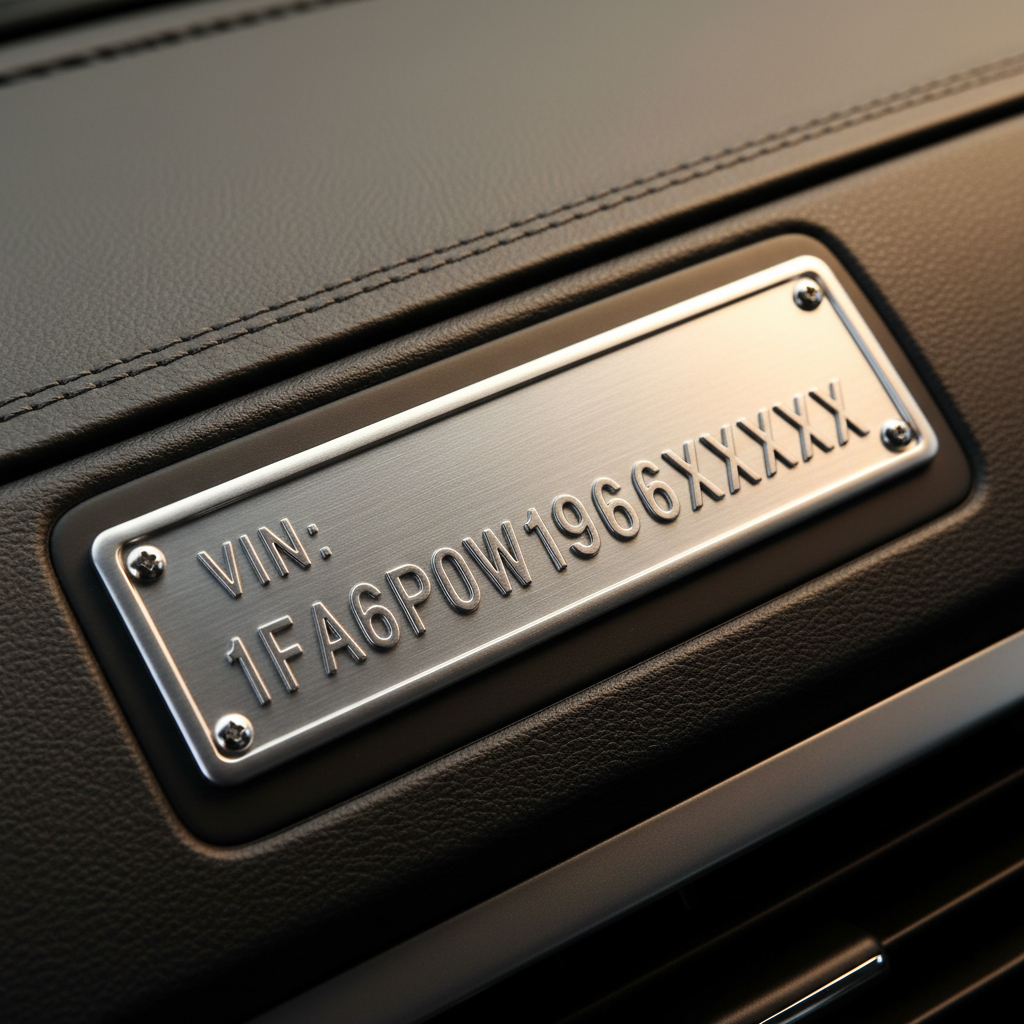
VIN verification involves a physical inspection of the vehicle by a certified professional. They will inspect the VIN plate, ensure it's intact, and confirm it matches the vehicle's documents. This process helps you avoid buying stolen vehicles or ones with altered VINs.
DMV Inspection Services Explained
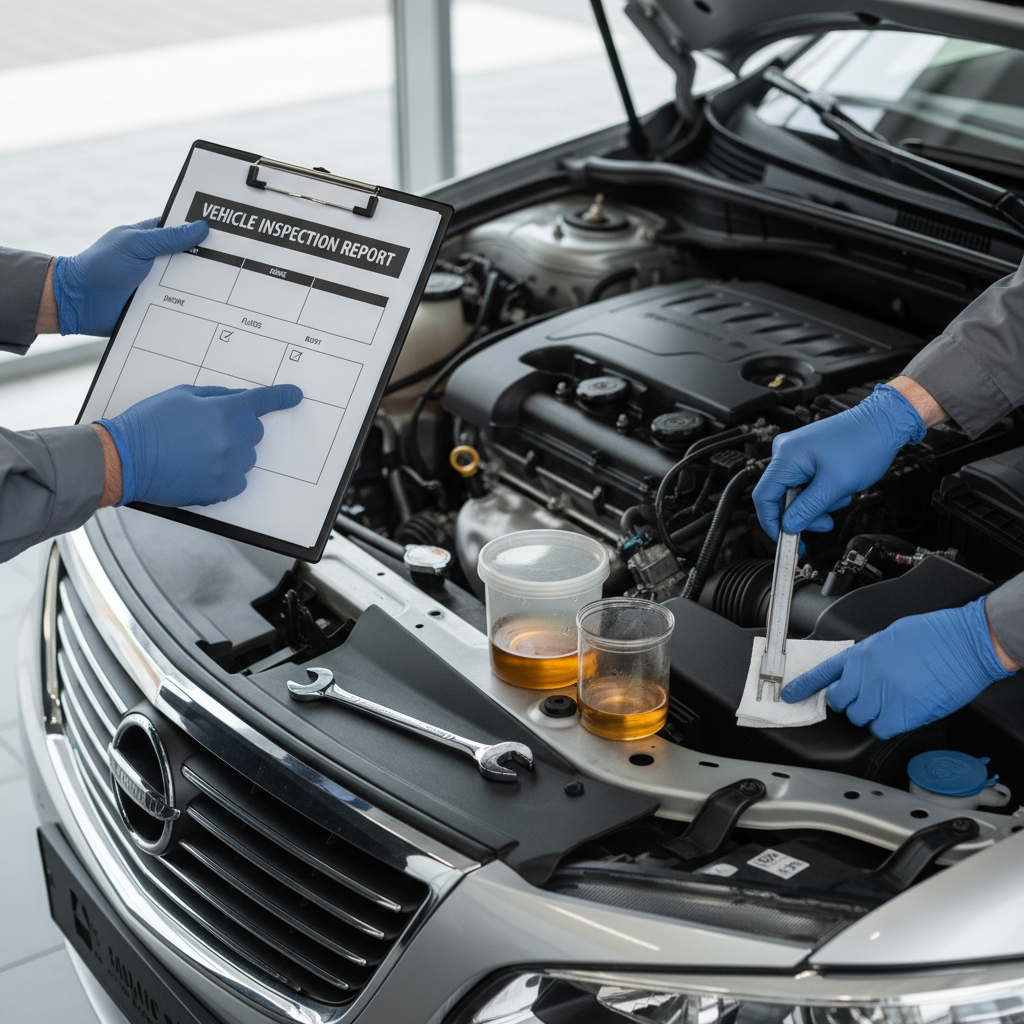
While VIN verification focuses on the vehicle's identity, DMV inspections cover a broader range of checks. These inspections ensure your vehicle meets safety and emission standards set by your state. The requirements and frequency of DMV inspections vary depending on your location.
Typically, a DMV inspection will include checks on brakes, lights, tires, and emissions systems. Ensuring your car passes these inspections is crucial for legal road use and environmental compliance. Failure to comply can result in fines or restrictions on vehicle usage.
The Differences Between VIN Verification and DMV Inspections
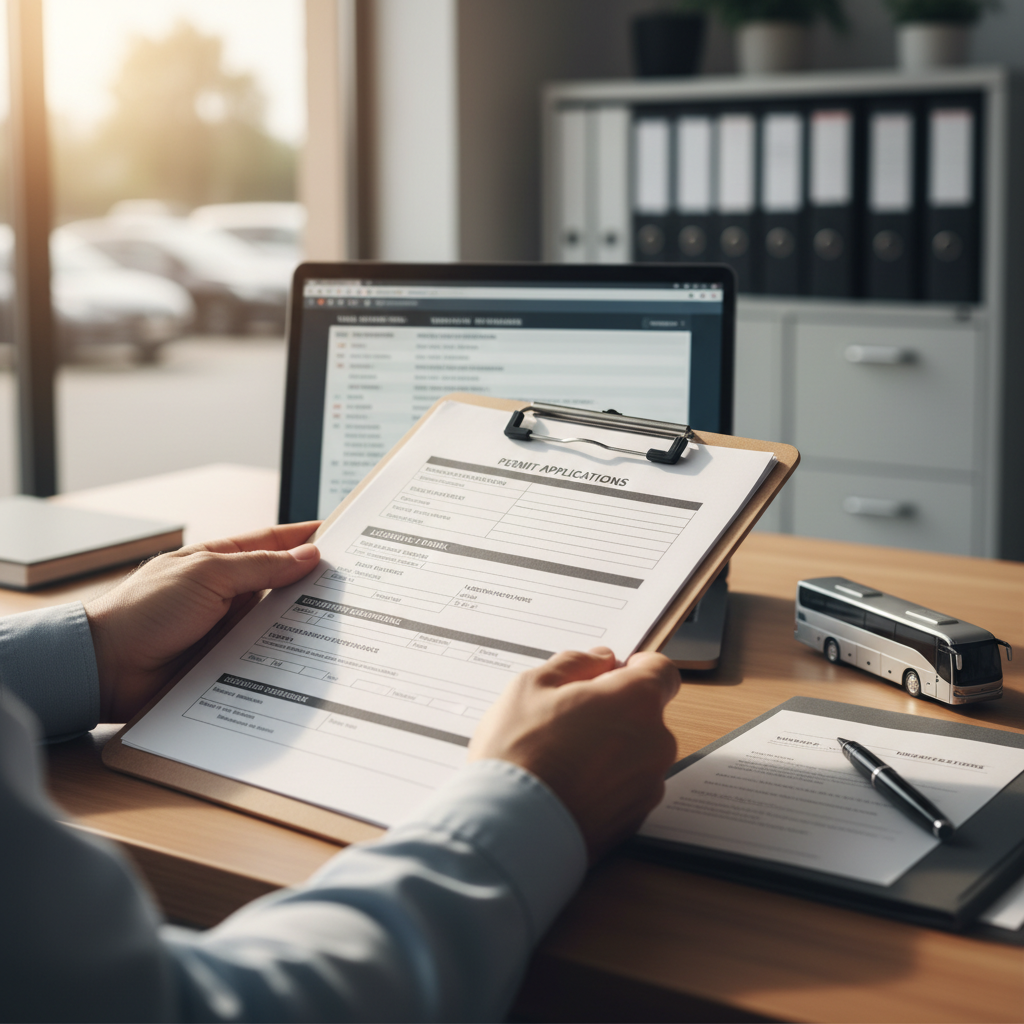
Although both processes involve checking your vehicle, they serve different purposes. VIN verification focuses solely on confirming the vehicle’s identity, while DMV inspections assess the vehicle's overall condition and compliance with safety standards.
VIN verification is typically required when registering a vehicle from out of state, while DMV inspections are routine checks conducted at regular intervals. Both processes are necessary for maintaining a legal and safe vehicle.
When Do You Need VIN Verification?
There are specific situations where VIN verification becomes necessary. These include:
- Purchasing a vehicle from another state
- Registering a vehicle with missing or damaged VIN plates
- Importing a vehicle from another country
When Are DMV Inspections Required?
DMV inspections are generally required under the following circumstances:
- Upon initial vehicle registration
- During annual or biennial renewal of registration
- After certain repairs or modifications
Check with your local DMV to understand the specific requirements for your area and ensure compliance to avoid penalties.
How to Prepare for VIN Verification and DMV Inspections
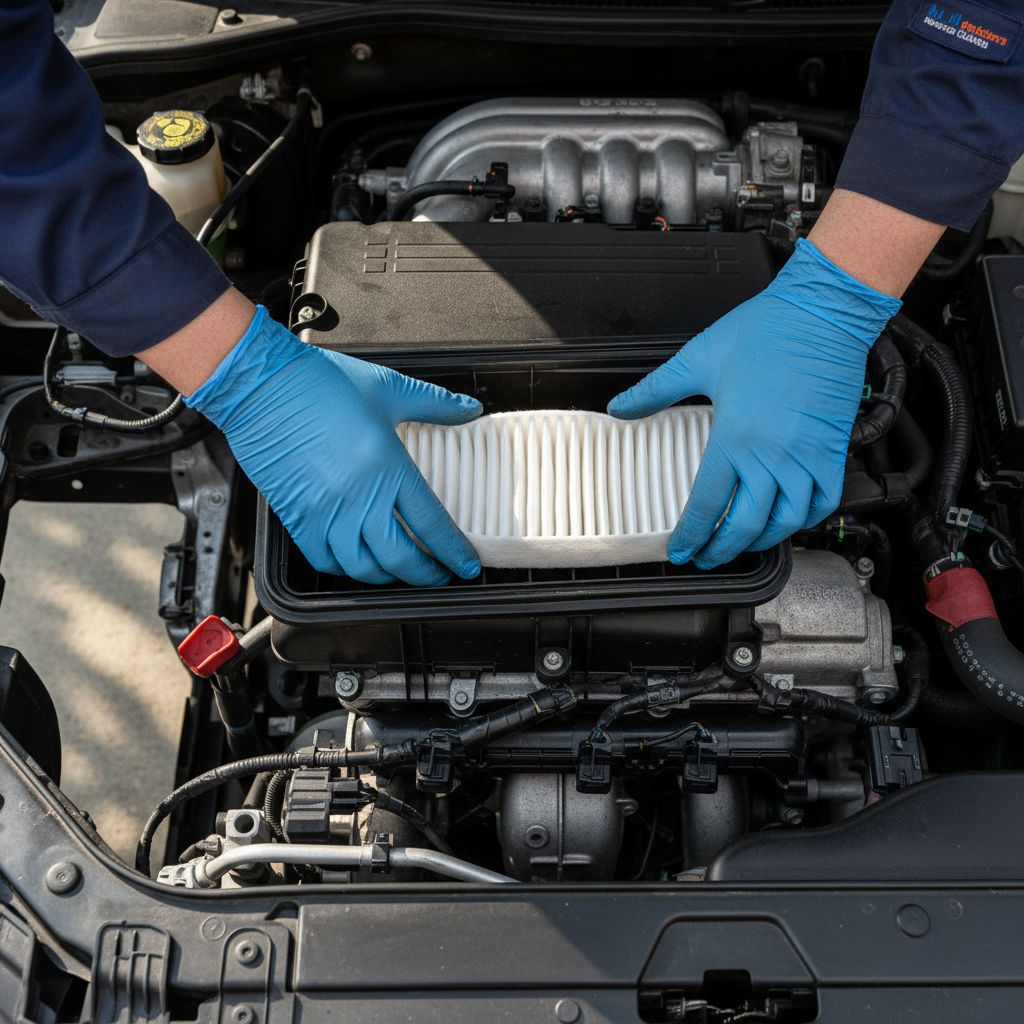
Preparing your vehicle for these checks can save you time and hassle. For VIN verification, ensure all documents are in order and the VIN plate is clean and visible. For DMV inspections, regular maintenance such as checking tire pressure, brake function, and ensuring lights and emissions systems are working properly, can help you pass the inspection smoothly.
Conclusion
Understanding the differences between VIN verification and DMV inspection services is crucial for vehicle owners. Both processes are vital for legal compliance and ensuring your vehicle is safe to drive. By staying informed and prepared, you can navigate these requirements with ease and confidence.