Understanding VIN Verification vs. DMV Inspection Services: Which Do You Need?


Understanding VIN Verification
When it comes to vehicle-related formalities, understanding the differences between VIN verification and DMV inspection services is crucial. Both play important roles in vehicle registration and compliance, but they serve distinct purposes. Knowing which one you need can save time and prevent unnecessary trips to the DMV.
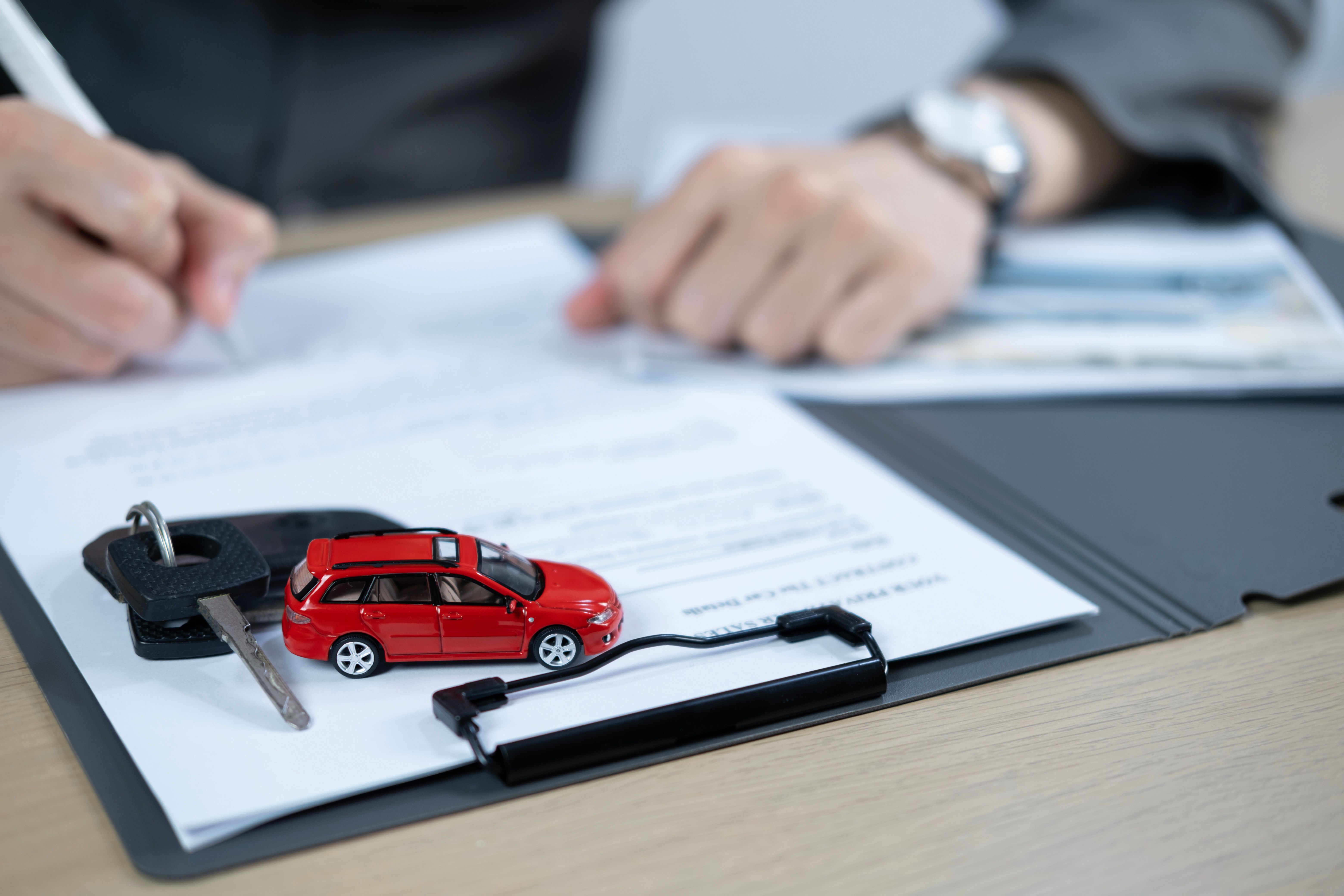
VIN verification involves checking the Vehicle Identification Number to ensure it matches the associated documents. This process confirms the vehicle's identity and helps prevent fraud. VIN verifications are typically required for out-of-state vehicles being registered in a new state, or if there’s a discrepancy in the vehicle’s records.

When is a DMV Inspection Required?
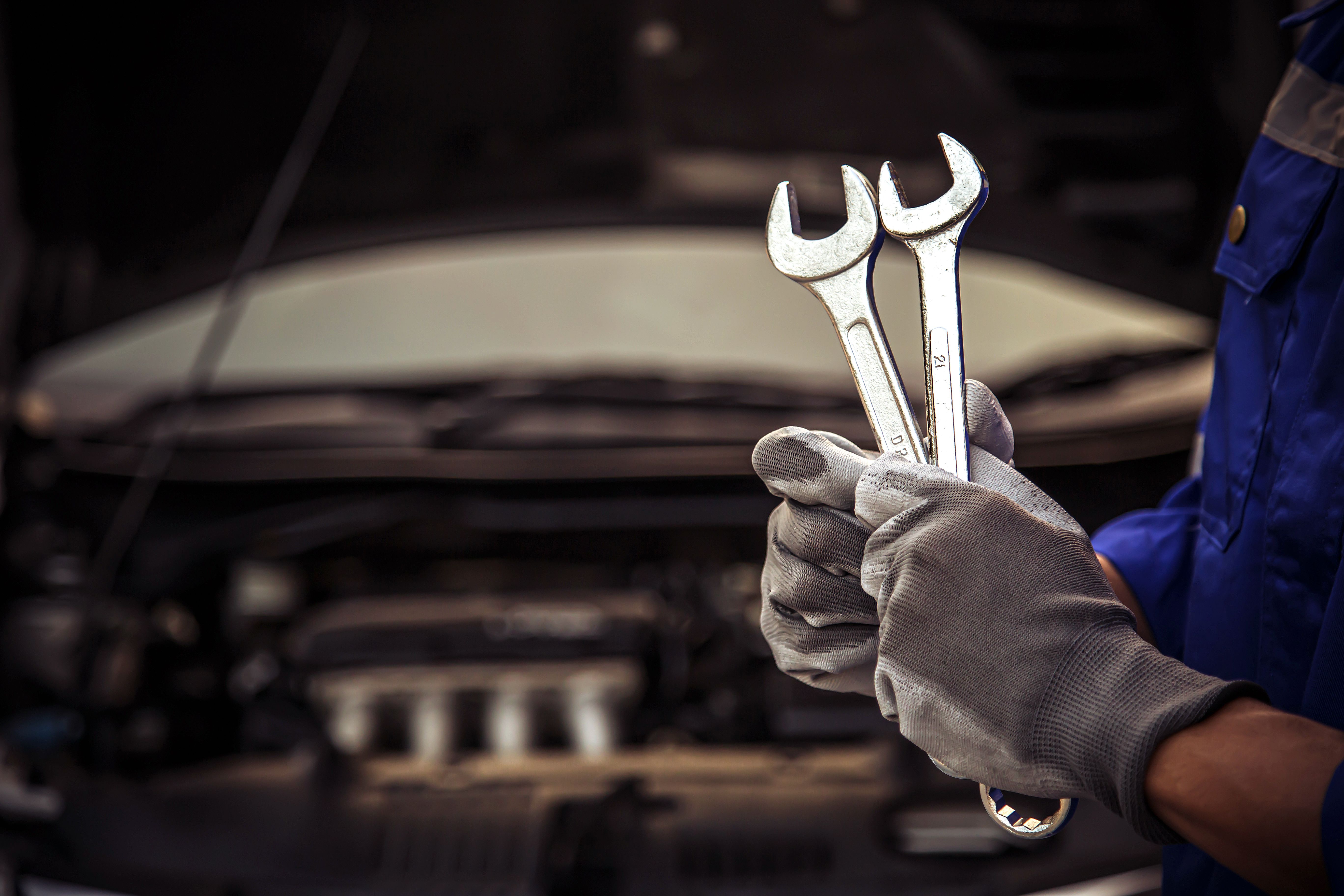
DMV inspections are more comprehensive than VIN verifications. They assess the overall condition and functionality of a vehicle to ensure it meets safety and emissions standards. Depending on the state, inspections may include checks on brakes, lights, and emissions systems.
Some states require regular DMV inspections to keep a vehicle legally on the road. This can be annually or biennially. It's important to check your state's specific requirements to avoid penalties or fines for non-compliance.

Key Differences Between VIN Verification and DMV Inspection
While both services relate to vehicle compliance, their focus areas differ significantly:
- Purpose: VIN verification focuses on identity and documentation, while DMV inspections assess safety and emissions.
- Frequency: VIN verification is often a one-time requirement during registration, whereas DMV inspections may be recurring.
- Components Checked: VIN verification checks the VIN and documents, while DMV inspections check physical and mechanical components.
How to Prepare for Each Service
Preparation can make both processes smoother and reduce potential delays. For VIN verification, ensure you have all necessary documents, such as title, registration, and any applicable out-of-state paperwork. It's also helpful to clean the VIN plate to ensure it’s easily readable.
For a DMV inspection, check basic vehicle functions. Ensure lights, brakes, and emissions systems are in working order. Address any warning lights on the dashboard before the inspection to avoid failures.
Choosing the Right Service
Your need for VIN verification or a DMV inspection depends on your specific situation. If you’re registering an out-of-state vehicle or correcting documentation discrepancies, VIN verification is likely required. However, if you’re ensuring your vehicle meets safety standards, a DMV inspection is necessary.
Consult your local DMV office or website to clarify which service you need. They provide the most accurate and up-to-date information regarding requirements in your area.
Conclusion: Streamlining Your Vehicle Compliance
Understanding the differences between VIN verification and DMV inspections can streamline your vehicle registration and compliance process. By knowing which service you need and preparing accordingly, you can navigate these requirements with ease and confidence.
Whether you’re moving to a new state or ensuring your vehicle meets safety standards, staying informed ensures you remain compliant and avoid unnecessary headaches.