Top Questions About VIN Verification Answered by Experts


Understanding VIN Verification
Vehicle Identification Number (VIN) verification is a crucial step for car owners, especially when registering a vehicle in a new state or country. It involves confirming that the VIN on a vehicle matches the documentation provided. This process helps prevent fraud and ensures that the vehicle is legally compliant.
VIN verification can seem daunting, but understanding the basics can make the process smoother. Here, we answer some of the top questions about VIN verification, providing insights from industry experts.

Why is VIN Verification Necessary?
VIN verification is vital for maintaining the integrity of vehicular records. It helps in ensuring that the vehicle has not been stolen or tampered with. This process also confirms that the vehicle meets the safety and emission standards required by law.
In many jurisdictions, VIN verification is mandatory when a vehicle is being registered from out of state or when there is any discrepancy in the paperwork. This ensures that all vehicles on the road are safe and legally compliant.
How is VIN Verification Conducted?
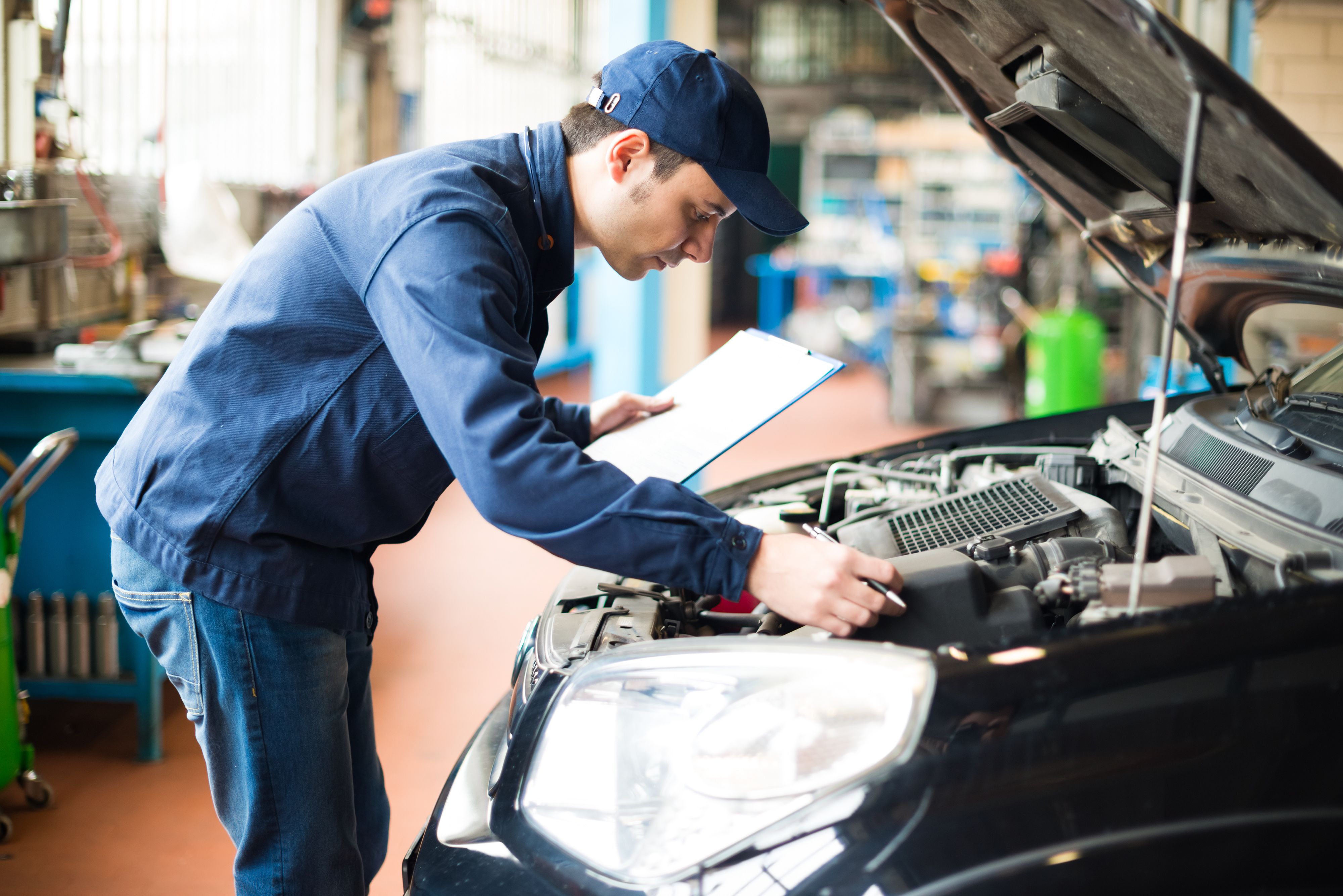
The VIN verification process typically involves a physical inspection of the vehicle. An authorized person, such as a law enforcement officer or a certified inspector, will check the VIN on the vehicle against the documents provided. This may include checking the VIN stamped on the chassis, engine, or other parts of the vehicle.
Some regions offer mobile VIN verification services, making it easier for vehicle owners to get their vehicles inspected without visiting a specific location.
Who Can Conduct VIN Verification?
VIN verification can be conducted by authorized personnel, which may include DMV officials, law enforcement officers, or certified third-party inspectors. Each state or region may have specific guidelines regarding who is authorized to perform these inspections.
It’s essential to ensure that the person conducting the verification is officially recognized to avoid any legal complications later.
What Documents Are Required for VIN Verification?
To complete a VIN verification, you will generally need to present several documents, including:
- The vehicle's title or registration documents
- A valid identification card or driver’s license
- Any import or export documentation, if applicable
Having all necessary documents ready can expedite the verification process and reduce any potential delays.

What Happens If There’s a Discrepancy?
If a discrepancy is found during the VIN verification process, it can lead to delays in registration. The vehicle may need further inspection or documentation to resolve the issue. It’s crucial to address any discrepancies promptly to avoid legal issues.
In some cases, you may need to consult with legal experts or contact the vehicle manufacturer to rectify any anomalies in the VIN.
Conclusion
VIN verification is a straightforward yet essential process that ensures vehicle safety and compliance with legal standards. By understanding the requirements and procedures, vehicle owners can navigate this process with ease. Whether you're buying a new car or moving to a new state, ensuring your vehicle's VIN is verified will keep you on the right side of the law.
For more information, consult your local DMV or a certified VIN verification expert.