Top 5 Common Misconceptions About VIN Verification


Understanding VIN Verification
Vehicle Identification Number (VIN) verification is a crucial step in the vehicle registration process. However, there are several misconceptions about what it entails and why it's necessary. In this post, we'll clear up some of the most common misunderstandings.
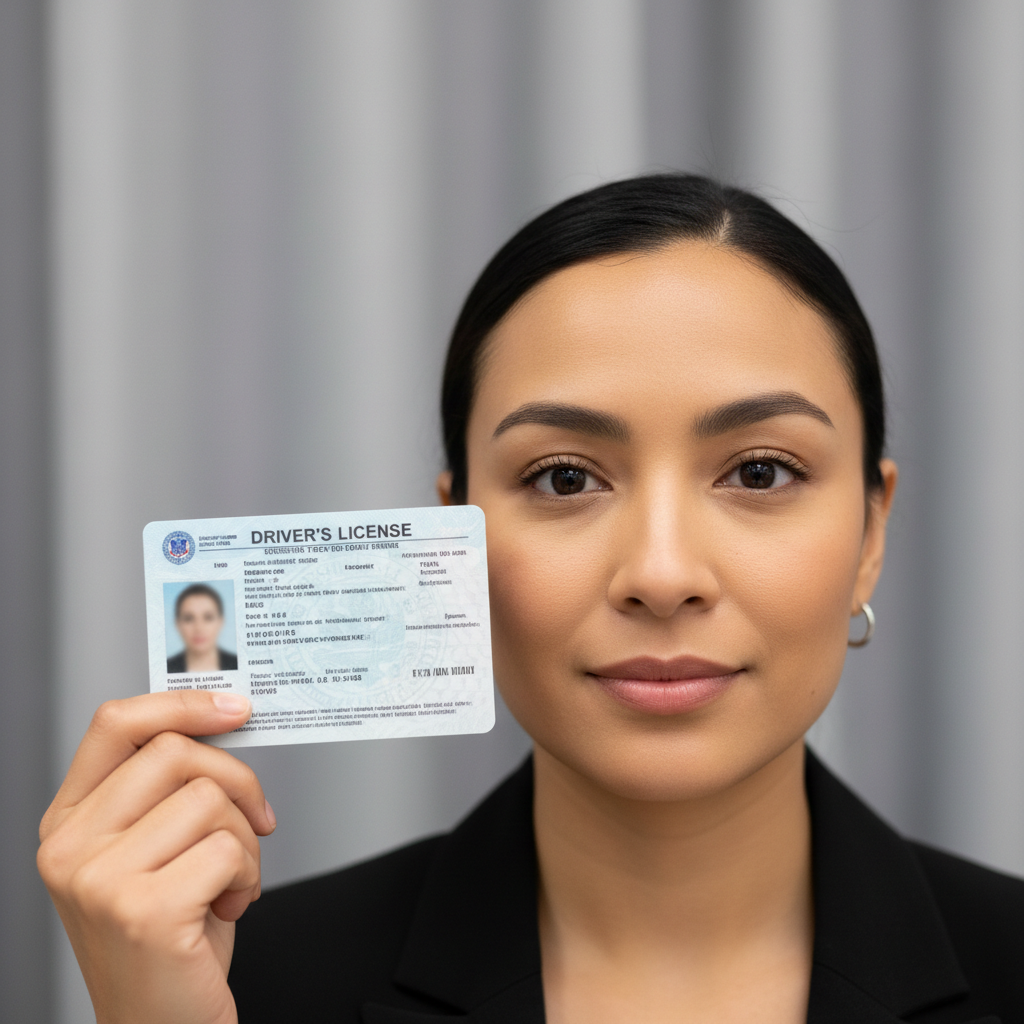
Misconception 1: VIN Verification and VIN Check Are the Same
One of the most common misconceptions is that VIN verification is the same as a VIN check. While they sound similar, they serve different purposes. A VIN check involves looking up a vehicle's history report, including past ownership, accidents, and title information. On the other hand, VIN verification is a physical inspection to confirm that the VIN on the vehicle matches the official records.
Misconception 2: Only Used Cars Need VIN Verification
Many people believe that only used cars require VIN verification. However, this is not always the case. Depending on the state or country, new cars may also need to undergo VIN verification to ensure that they meet local regulations and to prevent fraud.
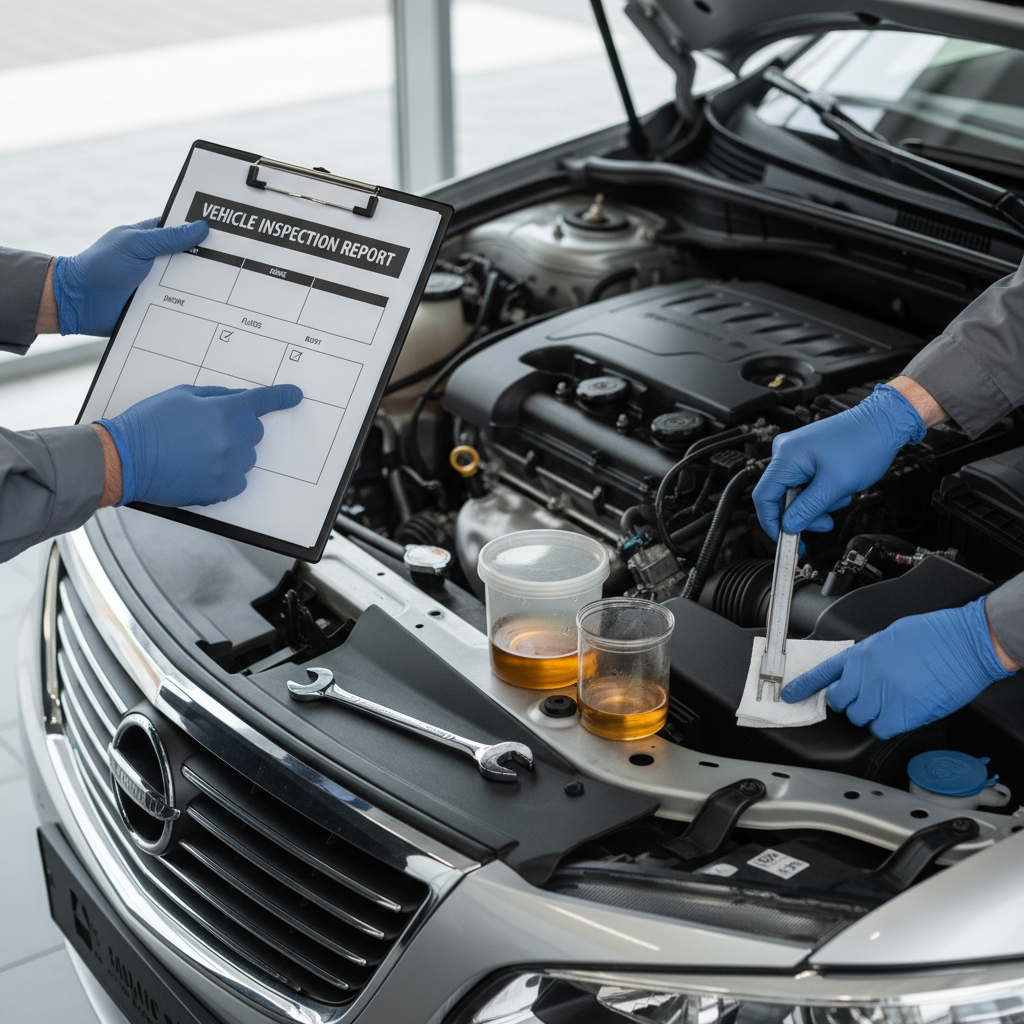
Misconception 3: VIN Verification Can Be Done Online
With the rise of online services, it's easy to assume that VIN verification can be completed online. However, VIN verification requires a physical inspection by a certified inspector or law enforcement officer. This process ensures that the VIN has not been tampered with and matches the vehicle's documentation.
Misconception 4: It’s a Lengthy Process
Another common belief is that VIN verification is a time-consuming process. In reality, once you have an appointment with a certified inspector, the actual verification is straightforward and usually takes only a few minutes. The key is to ensure that you have all the necessary documents ready.

Misconception 5: VIN Verification Is Only for Cars
VIN verification is not limited to cars. It applies to a wide range of vehicles, including motorcycles, trailers, and boats. Any vehicle that requires registration may need its VIN verified to ensure compliance with local laws and regulations.
Understanding these common misconceptions about VIN verification can save you time and ensure a smoother registration process. Always check local requirements and consult with a professional if you're unsure about the steps involved in verifying your vehicle's VIN.