Seasonal Checklist: Preparing Your Vehicle for VIN Verification


Understanding VIN Verification
Vehicle Identification Number (VIN) verification is a crucial step in ensuring the authenticity and legality of your vehicle. This process involves confirming that the VIN on your vehicle matches the documentation you have, such as the title and registration papers. It's an important step for buying, selling, or registering a vehicle in a new state.
Understanding when and why you need VIN verification can save you time and hassle. It's typically required when registering a vehicle from another state, to ensure all information is accurate and up-to-date. Preparing your vehicle for this verification process is essential, especially with seasonal changes affecting vehicle conditions.

Seasonal Maintenance for Your Vehicle
To prepare your vehicle for VIN verification, it's important to conduct seasonal maintenance. Begin by checking your vehicle's exterior and interior conditions. Seasonal changes can affect various parts of your vehicle, including tires, brakes, and even the VIN plate itself.
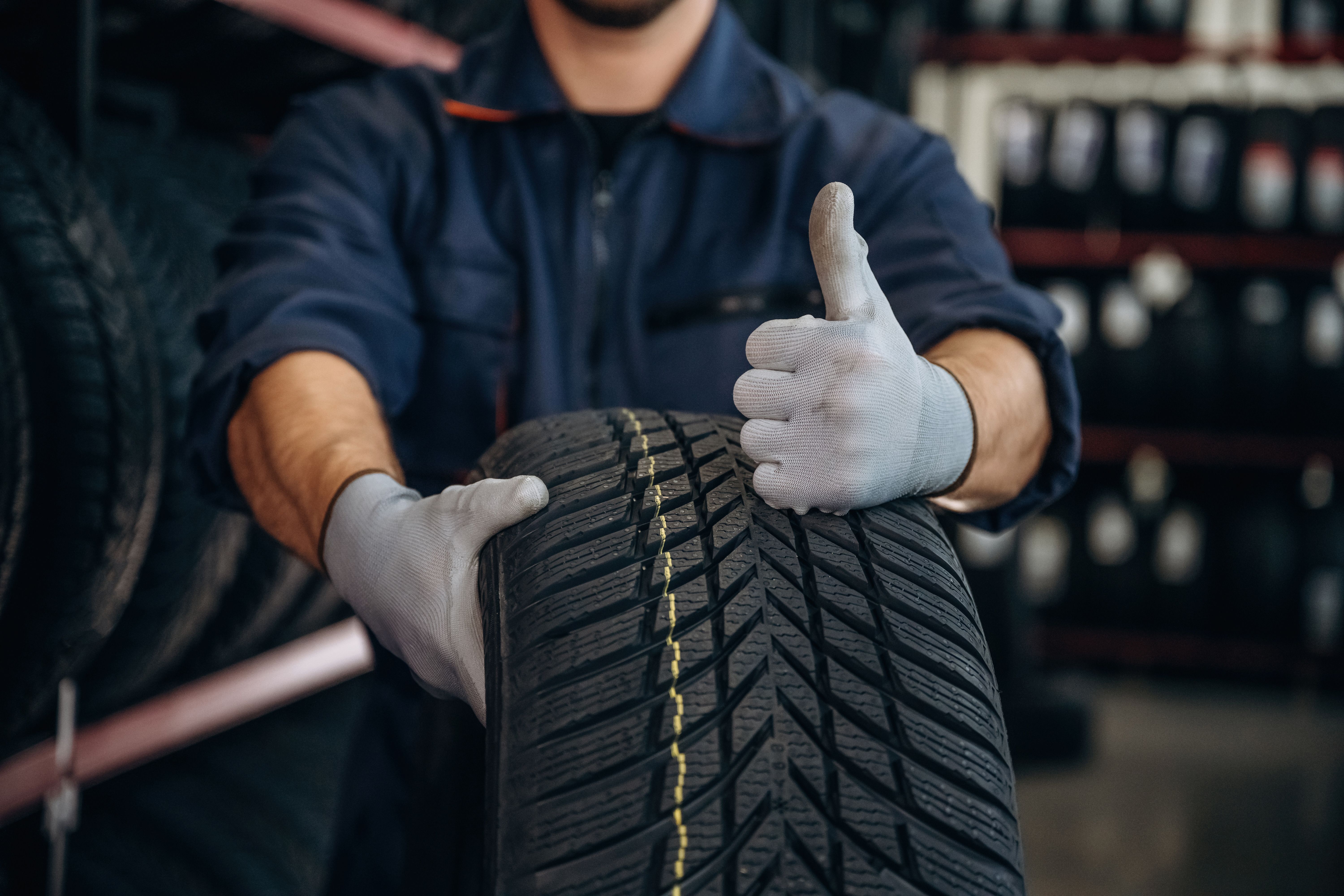
Tire maintenance is crucial, especially during transitional seasons when temperatures can fluctuate significantly. Ensure your tires are properly inflated and have adequate tread depth. This not only helps with safe driving but also ensures that your vehicle's condition is optimal for VIN verification.
Inspecting the VIN Plate
The VIN plate is usually located on the dashboard or inside the driver's side door. Over time, it can become dirty or corroded, making it difficult to read. Regular cleaning of the VIN plate is recommended to ensure it is legible during the verification process.
Use a soft cloth and a gentle cleaner to wipe away any dirt or grime. Avoid using harsh chemicals that could damage the VIN plate. If the VIN plate is damaged or corroded beyond cleaning, you may need to consult a professional for repair or replacement.
Preparing Necessary Documentation
A successful VIN verification also depends on having the right documentation ready. Ensure that you have the vehicle's title, registration, and any previous verification documents on hand. These documents will be cross-referenced with your vehicle's VIN to confirm its authenticity.
It's also wise to check any specific state requirements for VIN verification, as these can vary. Being prepared with all necessary paperwork can streamline the process and help avoid delays.

Scheduling a VIN Verification Appointment
Once your vehicle is ready and your documents are in order, the next step is to schedule a VIN verification appointment. Depending on your location, this can often be done through your local Department of Motor Vehicles (DMV) or through an authorized third party.
During peak seasons, appointments can fill up quickly, so it's advisable to schedule in advance. Confirming the appointment details and what you need to bring will ensure you are fully prepared for the verification process.
Conclusion: Ensuring a Smooth Verification Process
By following this seasonal checklist for preparing your vehicle for VIN verification, you can ensure a smooth and efficient process. Regular maintenance and preparedness not only help with verification but also contribute to the overall longevity and safety of your vehicle.
Whether you're a new car owner or simply transferring registration between states, understanding and preparing for VIN verification is an essential part of responsible vehicle ownership. Take these steps seriously to ensure compliance and peace of mind on the road.