Seasonal Checklist: Getting Your Vehicle Ready for Winter Verification


As the seasons change, it's crucial to prepare your vehicle for the winter months. Cold weather can be harsh on your car, and a few preventive measures can ensure that your vehicle remains in top condition. This seasonal checklist will guide you through the essential steps to get your vehicle ready for winter verification.
Inspecting Your Tires
One of the most important steps in winter preparation is checking your tires. Cold weather can cause tire pressure to drop, leading to decreased traction. Make sure your tires are properly inflated and have sufficient tread depth. If necessary, consider switching to winter tires for better grip on icy roads.
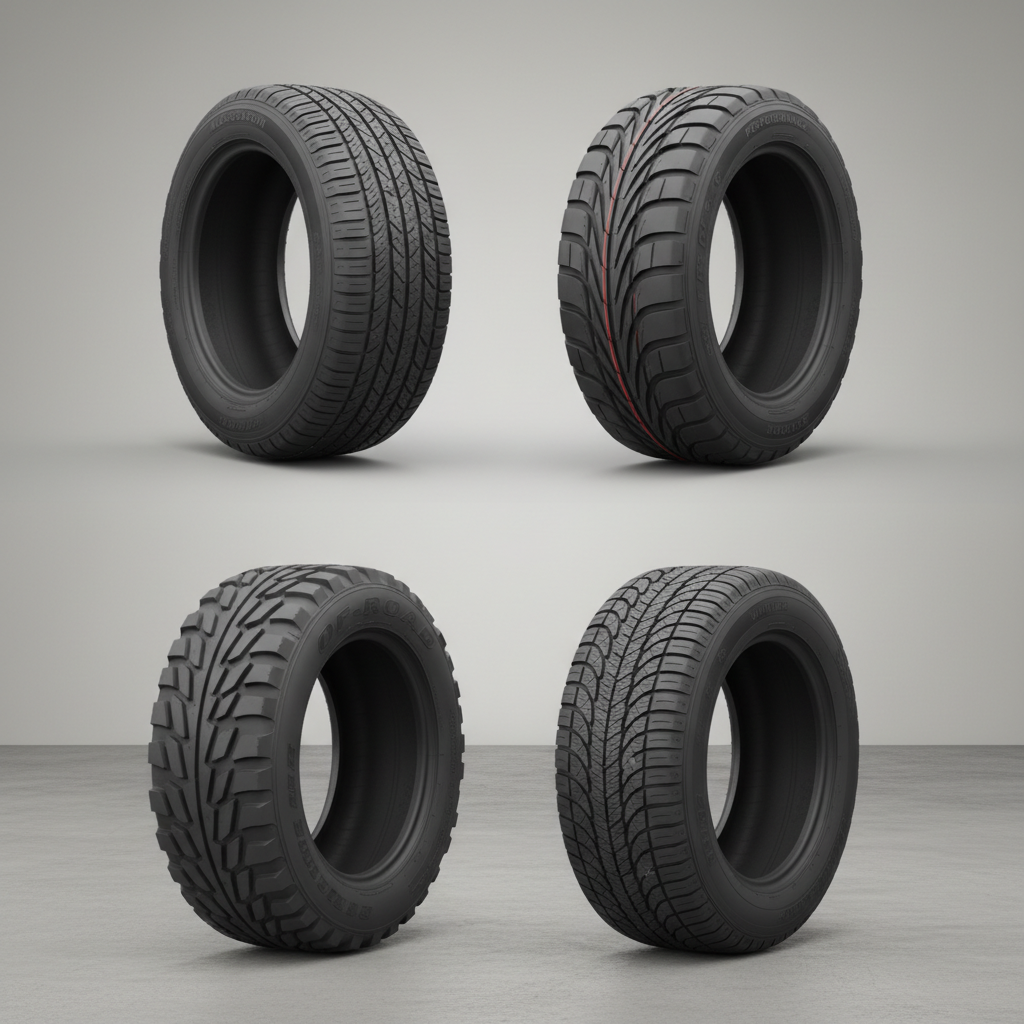
Additionally, check for any signs of wear or damage. Uneven tread or bald spots can be dangerous on slippery surfaces, so it's best to replace worn tires before winter sets in.
Battery and Electrical System
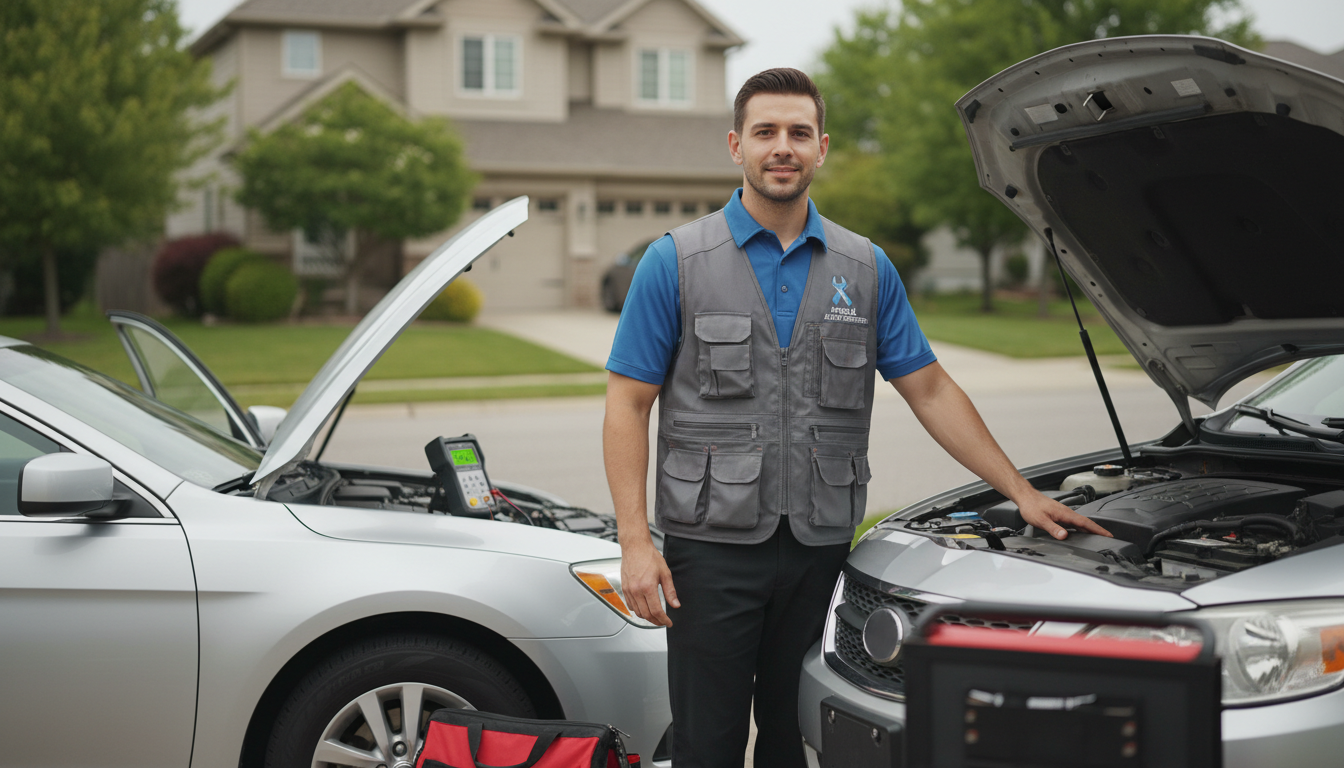
Winter weather can be particularly taxing on your car's battery. Ensure that your battery is in good condition and fully charged. If it's more than a few years old, consider having it tested or replaced. Clean any corrosion from the terminals to maintain a strong connection.
While inspecting the battery, take a moment to check your vehicle's electrical system. Make sure that all lights, including headlights, taillights, and turn signals, are functioning correctly. Visibility is crucial during winter, so replace any burnt-out bulbs promptly.
Heating and Cooling System
Your car’s heating system is vital for comfort and safety during the winter months. Test the heater to ensure it’s working properly. It's also a good time to check the defroster, as foggy windows can obstruct your view while driving.
Don’t forget to examine the coolant level and condition. The right antifreeze mixture is essential to prevent the engine from freezing. Consult your owner's manual for the recommended type and mixture ratio.
Fluids and Filters
Cold weather can affect the performance of your vehicle's fluids. Check and top off essential fluids like engine oil, brake fluid, and windshield washer fluid. Consider using winter-grade oil if you live in an area with extremely low temperatures.
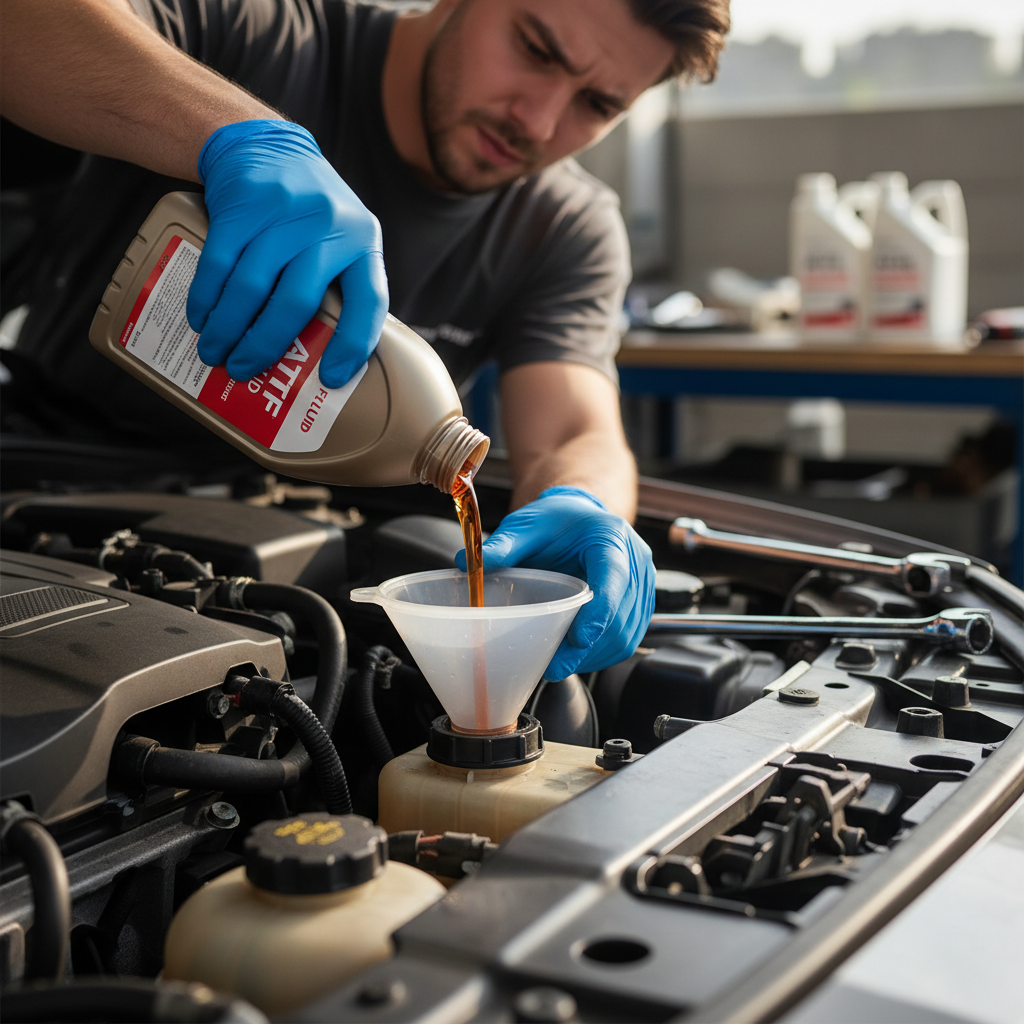
Replace any dirty or clogged filters, as these can reduce your vehicle’s performance. A new air filter can improve engine efficiency, while a clean cabin filter ensures better air quality inside the car.
Emergency Kit Essentials
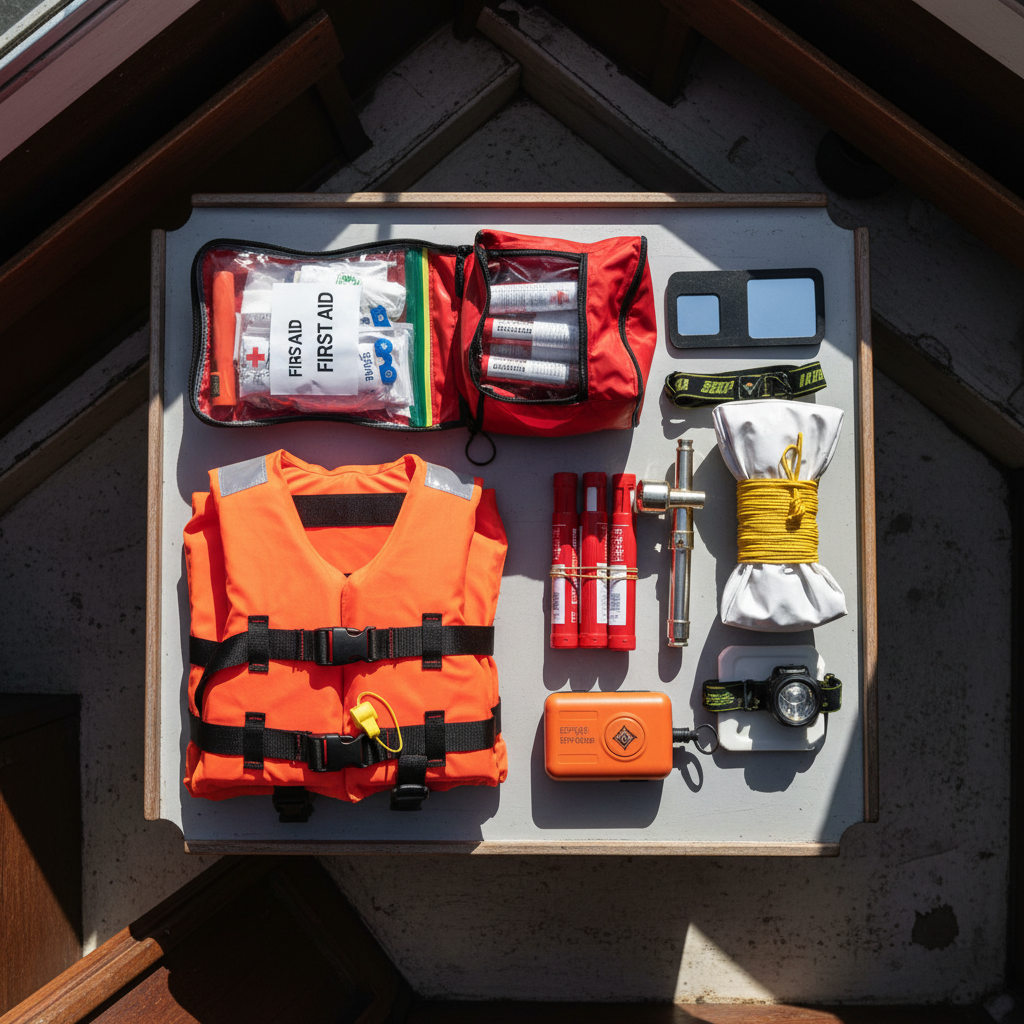
Preparation is key to tackling unexpected situations. Equip your car with a winter emergency kit that includes essentials like a blanket, flashlight, extra batteries, and non-perishable snacks. Don’t forget a first aid kit, ice scraper, and snow shovel.
Jumper cables, a tire pressure gauge, and a spare tire are also crucial items to have on hand. Being prepared can make all the difference in case of a breakdown or emergency during the winter months.
By following this checklist, you can ensure that your vehicle is ready to face the challenges of winter. Regular maintenance and attention to detail will help you drive safely and confidently, no matter what the weather brings. Stay proactive, and your car will thank you this winter season.