Expert Tips for a Smooth VIN Inspection Experience


Understanding VIN Inspections
A Vehicle Identification Number (VIN) inspection is a crucial process in ensuring that your vehicle complies with all legal requirements. This inspection verifies the authenticity of your vehicle's VIN and confirms that it matches official documentation. Whether you are buying, selling, or registering a vehicle, understanding this process can save you time and stress.
During a VIN inspection, a certified inspector will check the VIN on your vehicle against the records in the database. It's essential to ensure that everything is in order, as discrepancies could lead to complications. Proper preparation can make the entire process smoother.
Preparing for the Inspection
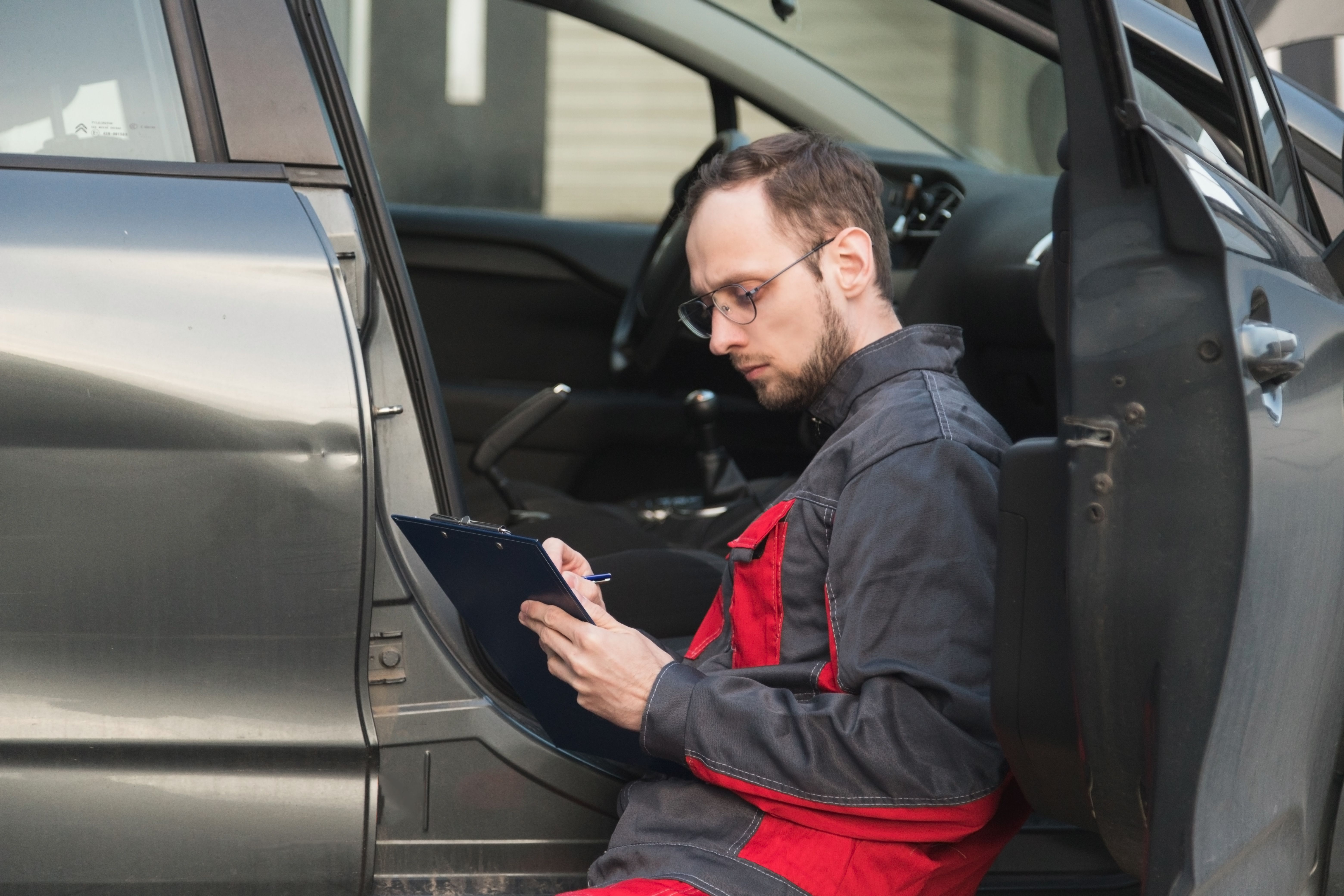
Preparation is key to a successful VIN inspection. Start by locating your vehicle's VIN, which is usually found on the driver's side dashboard, the driver's side door frame, or under the hood. Make sure it is clean and legible. Having a clear VIN can prevent unnecessary delays.
Next, gather all necessary documents. This typically includes the vehicle's title, registration, and your identification. Double-check that all information matches the VIN exactly. Any inconsistencies might cause issues during the inspection.

Booking Your VIN Inspection
Once you are prepared, you'll need to schedule your inspection. Contact your local Department of Motor Vehicles (DMV) or an authorized inspection center. Many places now offer online booking, which can save time and help you avoid long waits.
When scheduling, consider the best time for you. Early morning appointments might be less crowded, allowing for a quicker process. Additionally, ensure that your vehicle is in good condition and easily accessible for the inspector.
What to Expect During the Inspection
Understanding what happens during the inspection can alleviate any anxiety. The inspector will physically check the VIN on your vehicle and compare it with your documents. If everything matches, the process is usually swift and straightforward.
If there are issues, such as a missing or damaged VIN plate, you may need to provide additional documentation or undergo further inspection. It's important to be patient and cooperative, as this will facilitate a faster resolution.
Common Issues and Solutions
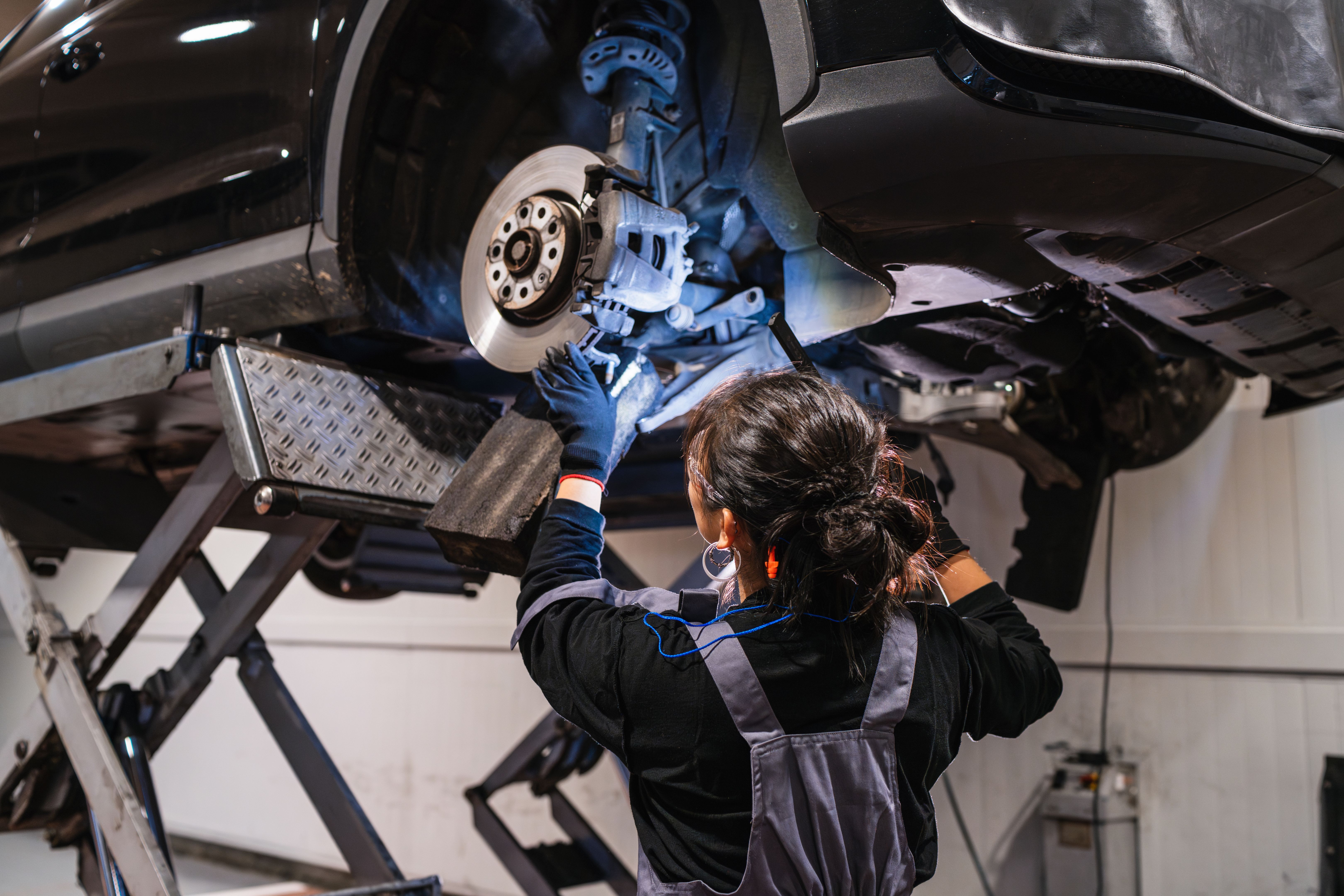
Sometimes, VIN inspections reveal issues that need addressing. Common problems include discrepancies in documentation or unreadable VINs. If you encounter such issues, consult with a professional who can guide you through correcting any mistakes.
In some cases, you might need to visit the DMV for a more thorough investigation. Being proactive and addressing problems quickly can help avoid prolonged delays in your vehicle registration or sale.
Post-Inspection Tips
Once your VIN inspection is complete, keep all related documents in a safe place. This will make future transactions smoother and provide proof of compliance should any questions arise later.
If you're selling the vehicle, be sure to provide the buyer with copies of the inspection results. Transparency and thorough documentation can build trust and facilitate a smoother transaction.
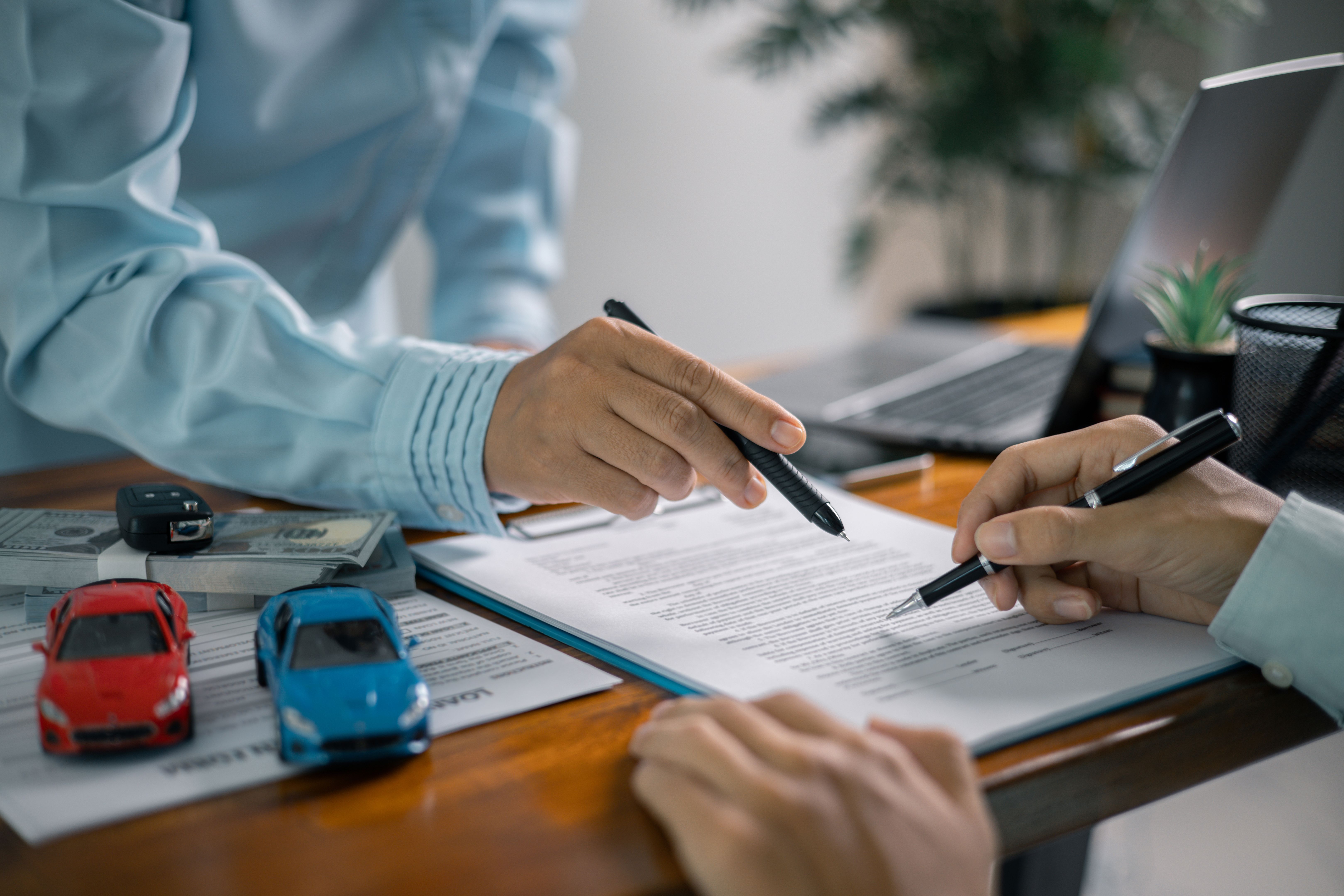
By following these expert tips, you can ensure a smooth and efficient VIN inspection experience. Preparation, understanding, and cooperation are the keys to navigating this essential process with ease.