DIY Tips for Vehicle Verification: What You Can Check Before Hiring a Professional


Introduction to DIY Vehicle Verification
Before hiring a professional for vehicle verification, there are several checks you can perform yourself. These DIY tips can save you time and money, ensuring that you're well-informed about the vehicle's condition. Whether you're buying a used car or just want to ensure your current vehicle is in good shape, these steps will help you verify its various aspects.
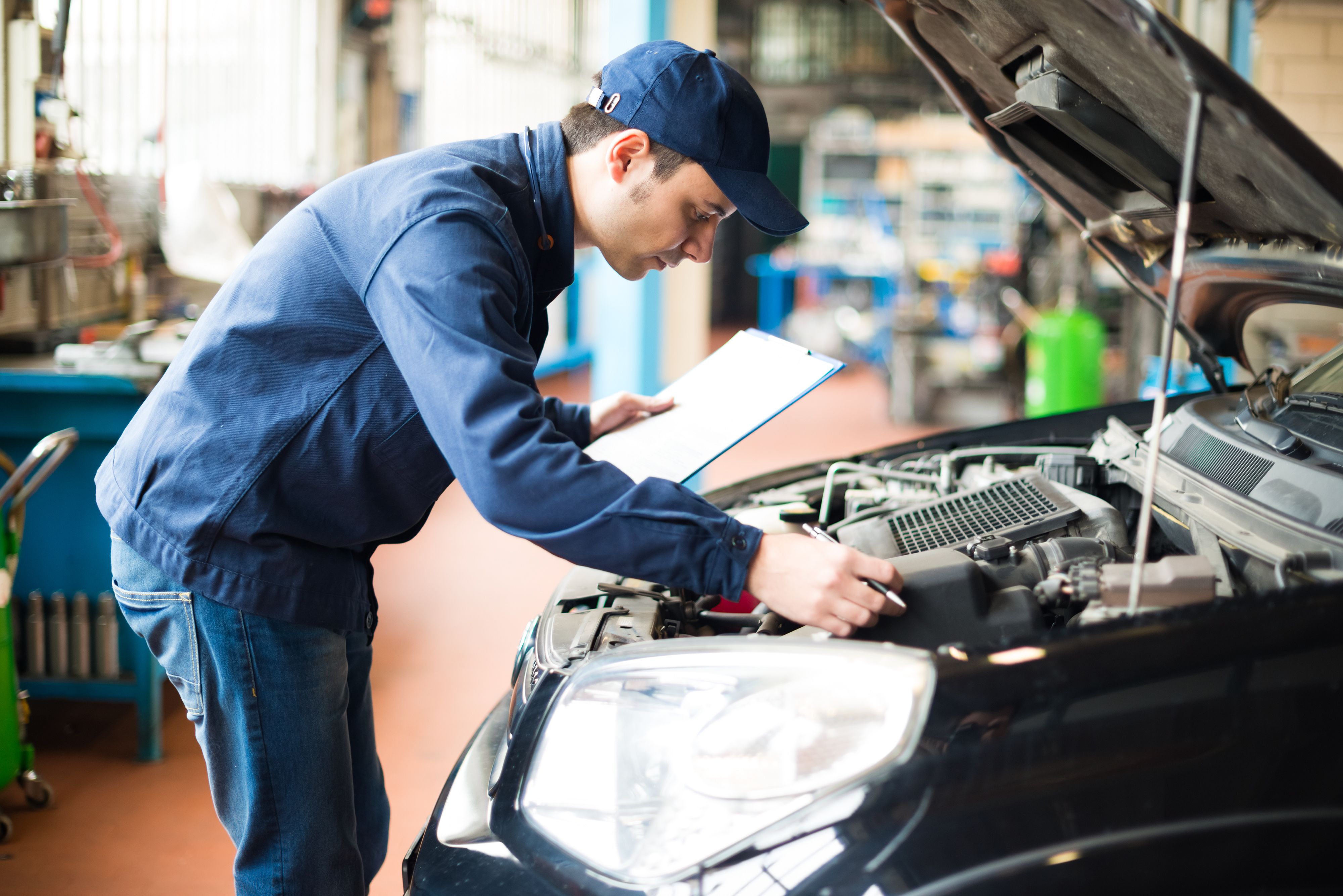
Check the Vehicle Identification Number (VIN)
The Vehicle Identification Number (VIN) is a unique code that identifies your vehicle. It provides valuable information about the car's history. You can find the VIN on the dashboard, driver's side door, or in the vehicle's manual. Use online tools to check the VIN for any discrepancies or red flags, such as reported accidents or title issues.
How to Use the VIN
Once you have the VIN, input it into a reliable online database. This will give you access to the vehicle's history report. Look for any signs of tampering or mismatches between the VIN on the car and the documentation. Ensuring the VIN matches across various parts of the vehicle is crucial for verification.
Inspect the Exterior and Interior
A thorough inspection of the vehicle's exterior and interior can reveal a lot about its condition. Start by examining the body for any signs of rust, dents, or paint inconsistencies. These may indicate previous accidents or repairs. Check the tires for wear and tear, ensuring they have adequate tread depth.
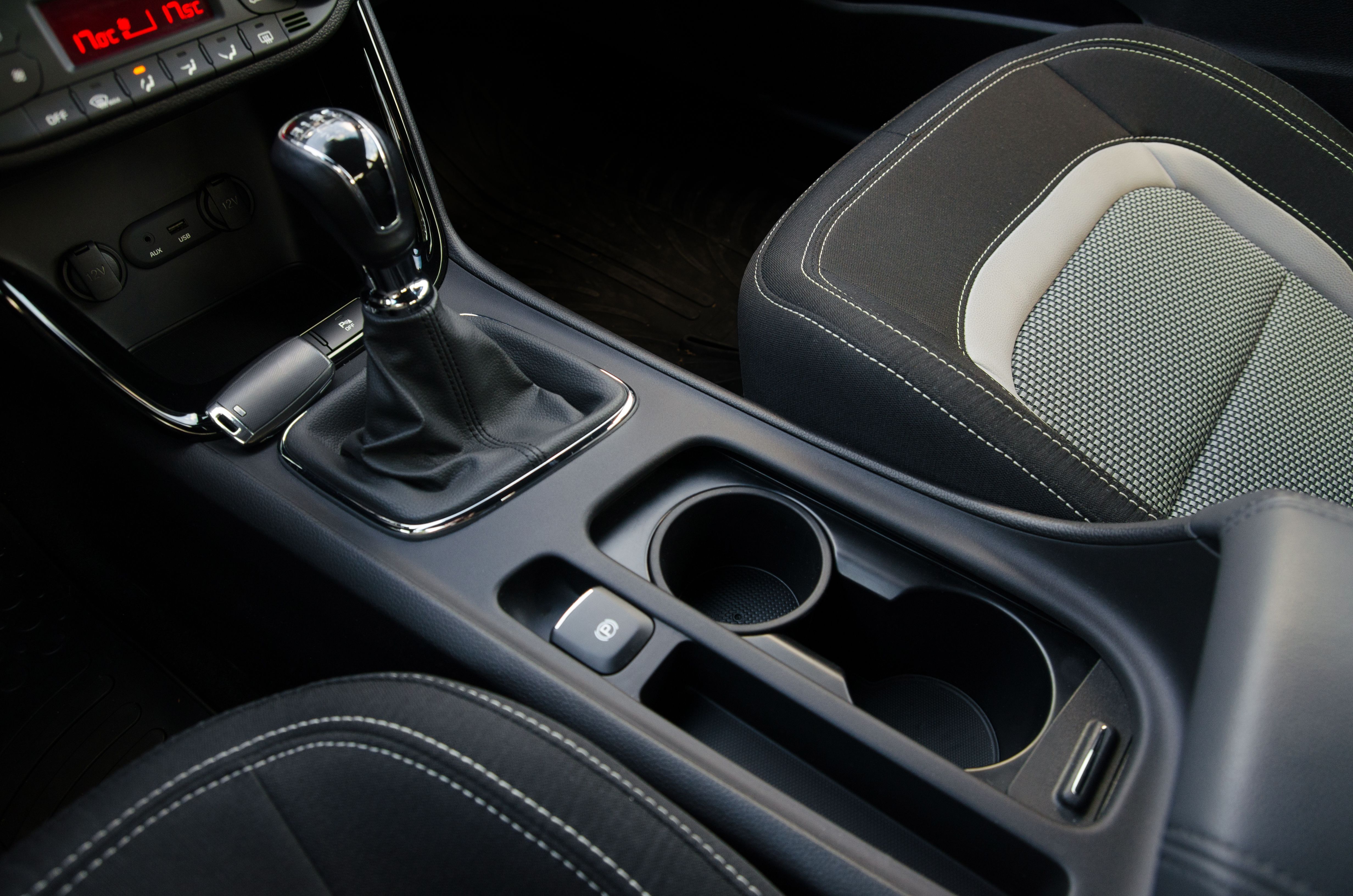
Inside the Vehicle
When inspecting the interior, look for any signs of excessive wear or damage. Check the seats, dashboard, and electronics. Ensure all buttons and features, such as air conditioning and audio systems, are functioning properly. Pay attention to any unusual odors, as they may indicate water damage or mold.
Test Drive the Vehicle
A test drive is an essential step in vehicle verification. It allows you to assess the car's performance and identify any potential mechanical issues. Pay close attention to how the vehicle handles, accelerates, and brakes. Listen for any unusual sounds or vibrations that may indicate underlying problems.
What to Observe During the Test Drive
During the test drive, observe the steering responsiveness and alignment. Make sure there are no warning lights on the dashboard and that the transmission shifts smoothly. Testing the car on different road conditions can also give you a clearer picture of its overall performance.

Review the Vehicle’s Maintenance Records
Maintenance records provide insights into how well the vehicle has been cared for. Ask the seller for a detailed history of services and repairs. Regular maintenance, like oil changes and tire rotations, is a good indicator of a well-maintained vehicle. Look for any recurring issues that might suggest ongoing problems.
Understanding the Importance of Records
Having access to the vehicle's maintenance history allows you to verify the accuracy of the information provided by the seller. It also helps you anticipate any future maintenance needs and costs. If records are unavailable, proceed with caution and ensure a professional inspection is done before finalizing any purchase.
Conclusion
By performing these DIY checks, you can gain confidence in the vehicle's condition before deciding to hire a professional. While these steps are helpful, they do not replace the expertise of a certified mechanic. For a comprehensive assessment, consider having a professional inspection as the final step in your vehicle verification process.