Common Myths About VIN Verification: What You Need to Know


Understanding VIN Verification
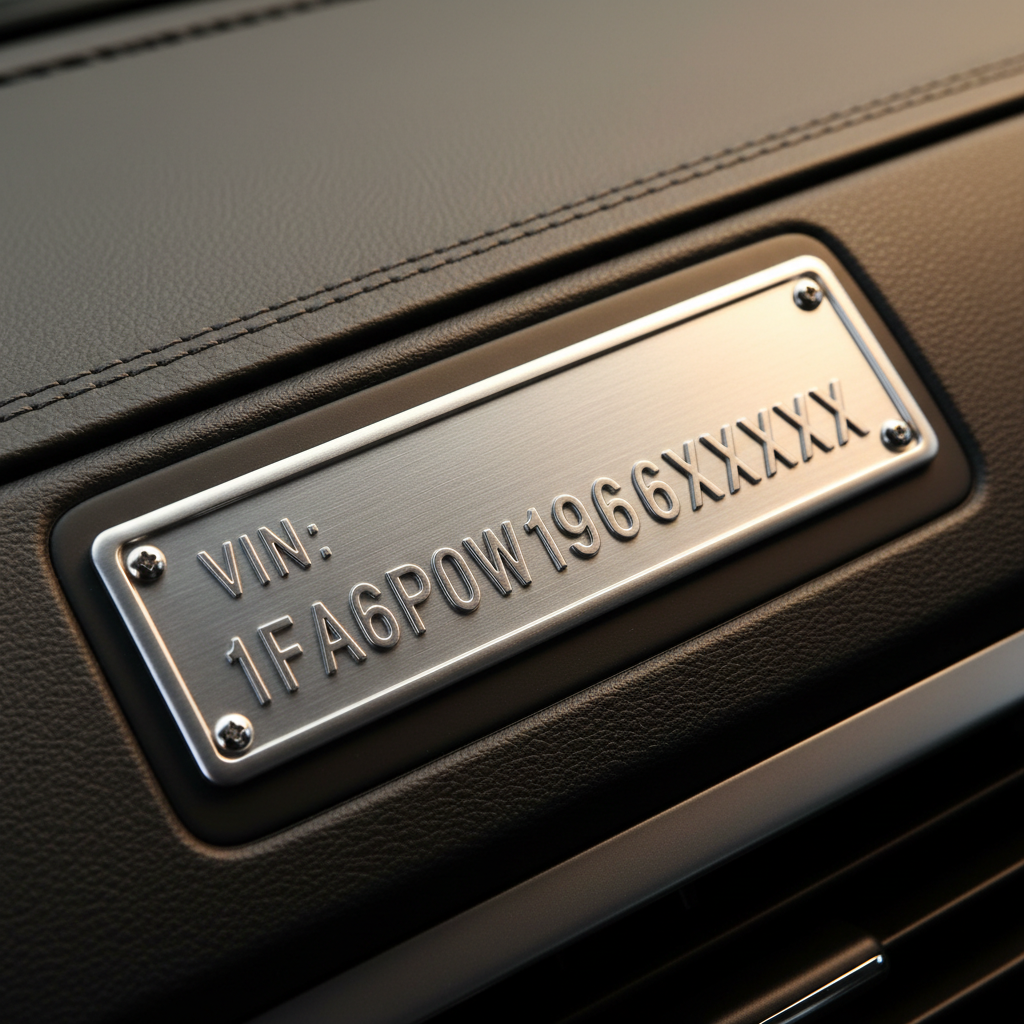
Vehicle Identification Number (VIN) verification is a crucial process for vehicle owners, yet it is often misunderstood. A VIN is a unique code assigned to every motor vehicle when it's manufactured. It serves as the car’s fingerprint, providing essential details about the vehicle. However, several myths surround VIN verification, leading to confusion and misinformation.
Myth 1: VIN Verification Is the Same as a Vehicle History Report
One common misconception is that VIN verification and a vehicle history report are the same. While both involve the VIN, they serve different purposes. VIN verification confirms the authenticity of the VIN on the vehicle, ensuring it matches the official records. In contrast, a vehicle history report provides a detailed account of the vehicle’s past, including accidents, ownership changes, and title information.
Myth 2: VIN Verification Is Only for Used Cars
Another myth is that VIN verification is only necessary for used cars. Although more commonly associated with used vehicles, VIN verification can be essential for new cars as well, especially if there are discrepancies in documentation or when importing vehicles. Ensuring the VIN is correctly documented can prevent future legal and ownership issues.

Why VIN Verification Matters
Understanding the importance of VIN verification can save vehicle owners from potential headaches. Here are a few reasons why VIN verification is critical:
- Preventing Fraud: Verifying the VIN helps detect stolen vehicles and prevents fraudulent sales.
- Ensuring Accuracy: It ensures that all vehicle details are accurate and consistent with official records.
- Legal Compliance: Some states require VIN verification for vehicle registration or importation.
Myth 3: VIN Verification Is Complicated
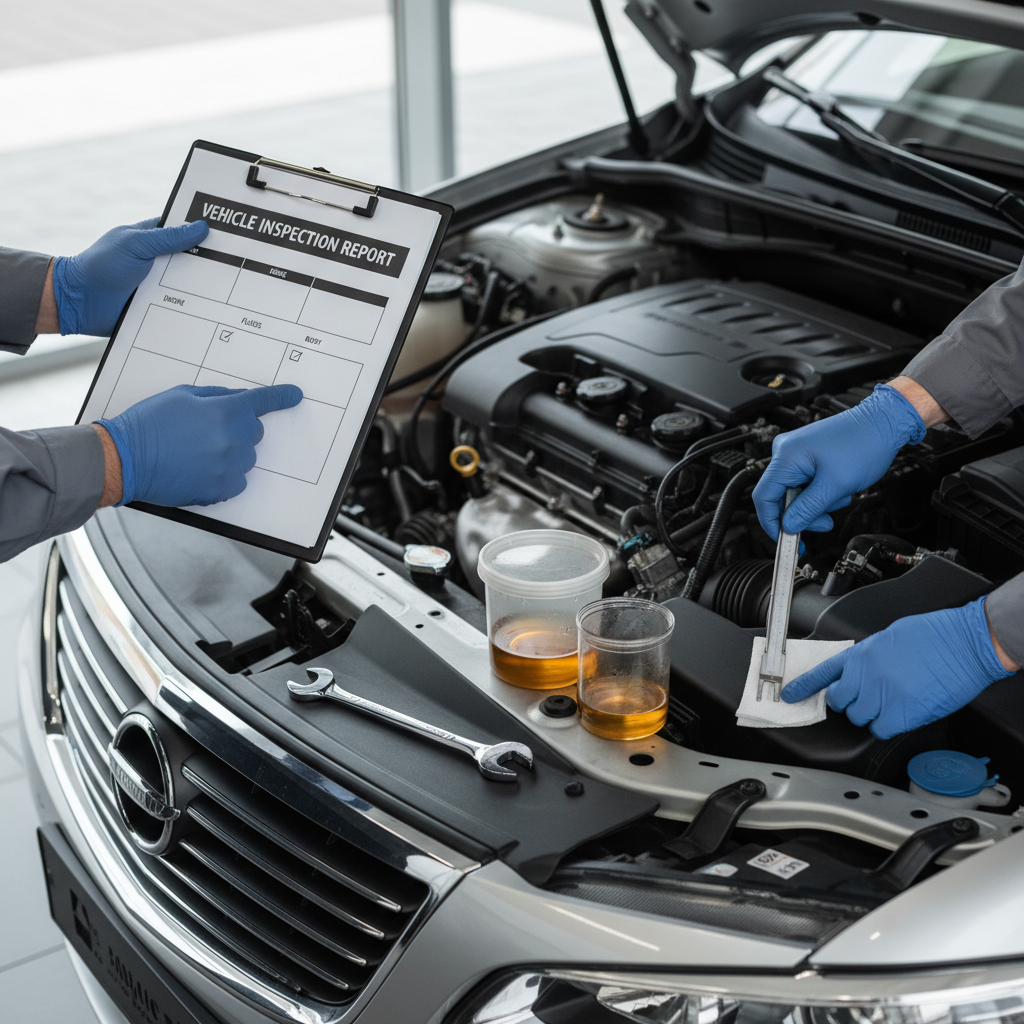
Many people believe that VIN verification is a complex process, but this is not necessarily true. In most cases, it involves a simple inspection by an authorized person, such as a law enforcement officer or a certified VIN verifier. The process is straightforward and can often be completed quickly.
How to Get Your VIN Verified
To get your VIN verified, follow these steps:
- Contact your local Department of Motor Vehicles (DMV) or equivalent authority to understand the specific requirements.
- Schedule an appointment with a certified VIN verifier or law enforcement officer.
- Ensure your vehicle is clean and that the VIN is easily accessible.
- Provide any necessary documentation, such as vehicle title or registration.
Myth 4: VIN Verification Is Expensive
Some believe that VIN verification is a costly process. While fees may apply, these are typically minimal compared to the potential costs of not verifying a VIN. Ensuring your vehicle’s VIN is accurate can prevent expensive legal disputes and losses from fraudulent transactions.
In conclusion, understanding the realities of VIN verification can help vehicle owners make informed decisions. By debunking these myths, you can approach the process with confidence and ensure your vehicle’s legitimacy and compliance with legal requirements.