Common Misconceptions About Vehicle VIN Verification


Understanding Vehicle VIN Verification
Vehicle Identification Numbers (VINs) are essential in the automotive industry for tracking and verifying the history and specifications of a vehicle. However, many misconceptions surround VIN verification, leading to confusion among vehicle owners and buyers. Understanding these misconceptions can help you make informed decisions when buying or selling a vehicle.
Misconception 1: All VINs Are the Same
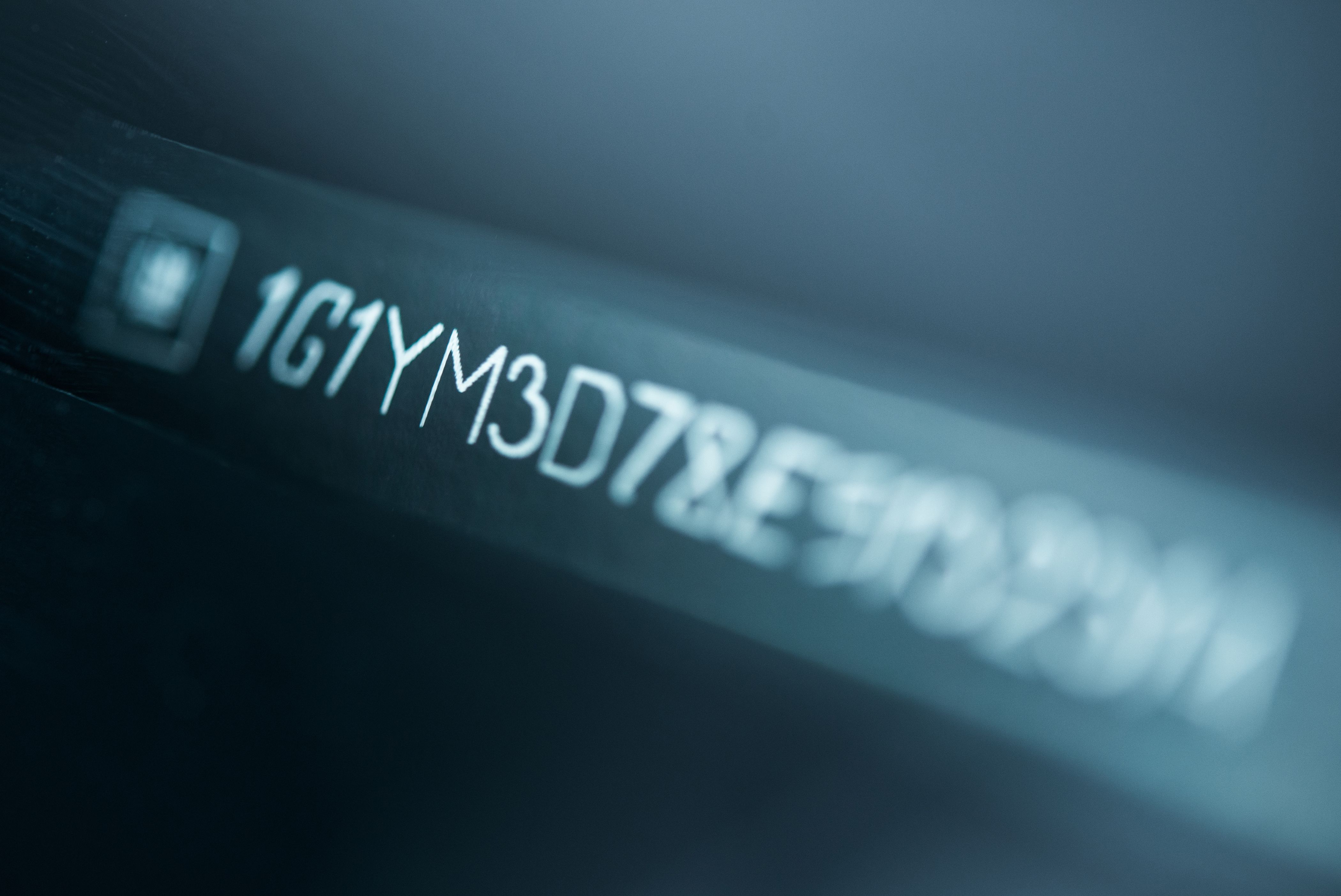
A common misconception is that all VINs are the same or similar across different vehicles. In reality, each vehicle has a unique 17-character VIN that acts as its fingerprint. This number provides specific information about the vehicle, including its manufacturer, model, year, and country of origin. It's crucial to check the VIN carefully to ensure it matches the vehicle's documents.
Misconception 2: VIN Verification Is Only for Used Cars
While VIN verification is commonly associated with used cars, it is equally important for new vehicles. Verifying the VIN of a new car ensures that you are receiving the exact model and specifications you have paid for. It also helps in detecting any discrepancies or clerical errors made during the registration process.

Misconception 3: VIN Verification Is Complicated
Many people believe that VIN verification is a complex and time-consuming task. However, modern technology has made the process straightforward and accessible. Numerous online platforms and services allow you to verify a VIN quickly, providing you with a comprehensive report that includes the vehicle's history, accident reports, and more.
Misconception 4: VIN Verification Is Expensive
Another myth is that verifying a VIN is an expensive undertaking. While some services might charge a fee, many options are affordable and even free. It's a small investment compared to the potential costs associated with purchasing a vehicle with hidden issues or a fraudulent past.
Misconception 5: VIN Verification Isn't Necessary for Private Sales
Some buyers and sellers in private transactions believe that VIN verification is unnecessary. However, this step is crucial to ensure transparency and trust between parties. It protects both the buyer and seller by confirming the vehicle's legitimacy and history, preventing future disputes and problems.
The Importance of VIN Verification
Understanding the importance of VIN verification can help dispel these misconceptions. By verifying the VIN, you protect yourself from fraud, ensure the vehicle's authenticity, and gain valuable insights into its history. Whether buying, selling, or simply maintaining a vehicle, VIN verification is a key step in the process.
In conclusion, being aware of these common misconceptions can empower you to make more informed decisions. Don't fall for myths; ensure your vehicle's VIN is verified to enjoy peace of mind and a smoother transaction experience.