A Guide to Understanding California's Vehicle Verification Requirements


Introduction to Vehicle Verification in California
California has stringent vehicle verification requirements that every car owner must adhere to. Whether you're a new resident or a long-time local, understanding these regulations is essential to ensure compliance and avoid unnecessary penalties. This guide will walk you through the key aspects of vehicle verification in California.

Why Vehicle Verification is Important
Vehicle verification is not just a bureaucratic step; it's a critical process that ensures all vehicles on the road meet safety and environmental standards. In California, this is particularly important given the state's focus on reducing emissions and promoting clean air. Failing to comply with vehicle verification requirements can result in fines and increased insurance premiums.
Key Benefits of Vehicle Verification
There are several benefits to staying up-to-date with vehicle verification:
- Safety: Ensures your vehicle is safe to operate.
- Environmental Protection: Helps reduce harmful emissions.
- Legal Compliance: Avoids penalties and fines.
Understanding the Verification Process
The vehicle verification process in California involves several steps. Initially, a vehicle inspection is required to confirm the car's identity and ensure that it meets all necessary standards. This inspection is typically conducted by the California Department of Motor Vehicles (DMV) or an authorized representative.
Steps to Complete Vehicle Verification
- Schedule an appointment with the DMV or an authorized inspection center.
- Gather necessary documents such as your vehicle's title and registration.
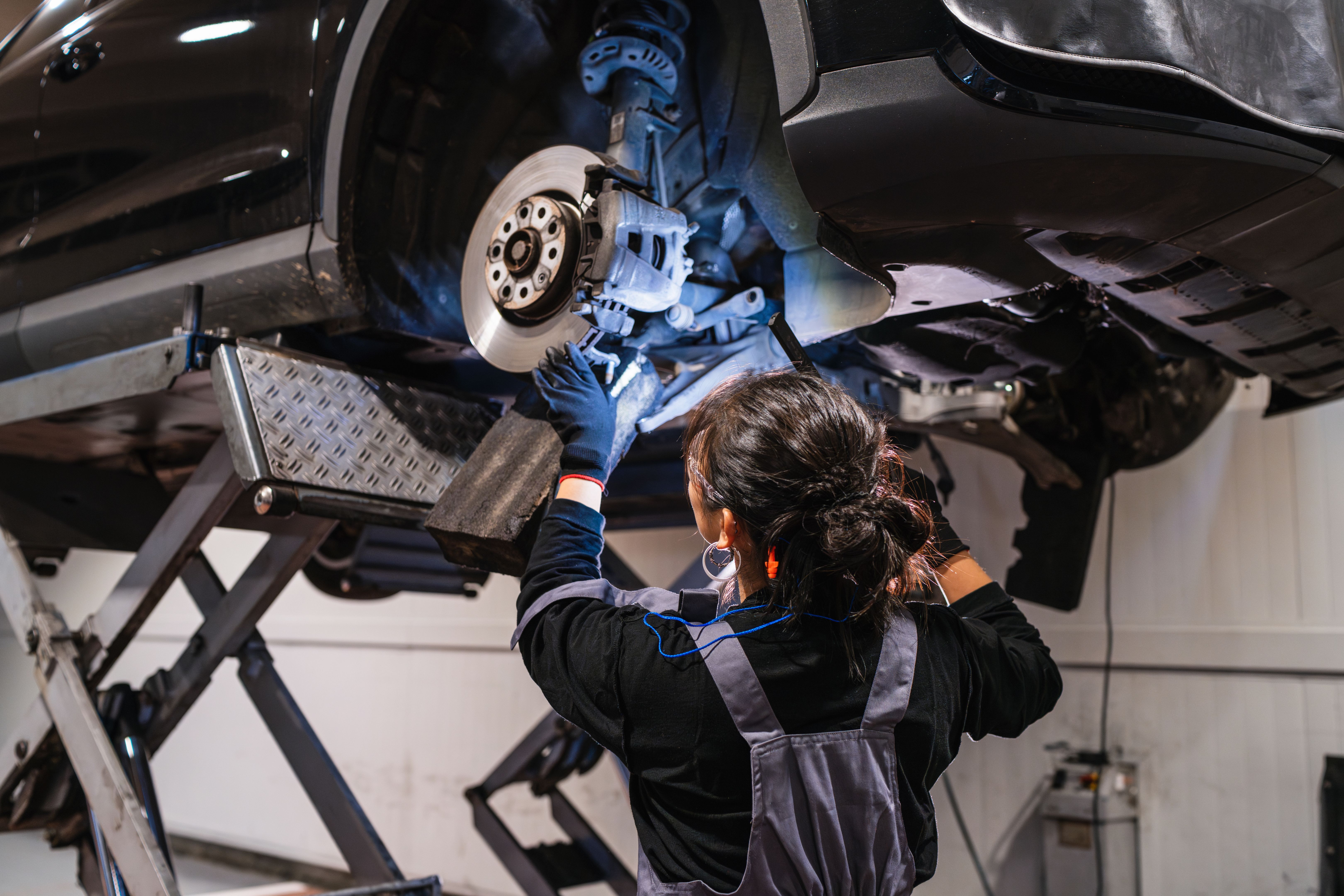
- Undergo a physical inspection of the vehicle.
- Submit the inspection report to the DMV for approval.
Special Cases and Exemptions
While most vehicles are subject to verification, there are exceptions and special cases. For instance, certain vehicles like trailers and older cars may have different requirements. It's important to check the specific regulations that apply to your vehicle type to ensure compliance.

Exemptions to Know
Some common exemptions include:
- Electric vehicles often have streamlined verification processes.
- Vehicles registered in certain rural areas may have different requirements.
Conclusion and Next Steps
Understanding California's vehicle verification requirements is crucial for every car owner in the state. By following the guidelines and keeping your documentation in order, you can ensure a smooth process and avoid any legal complications. Always stay informed about changes in regulations to remain compliant.